State Literacy for Paraprofessionals
You already know you influence learning. Do you know what happens inside the learner?
Every day, paraprofessionals help children navigate the classroom, participate in instruction, build relationships, and experience success.
But beneath those everyday interactions, something else is happening.
Your tone of voice. Your proximity. The pace of your instructions. The predictability of your responses. The way you approach a child who is struggling.
These experiences can influence a child's physiological state—and that state can affect how much attention, language, reasoning, and participation are available for learning.
State Literacy gives us a language for understanding why.
Two Learners. One Human Being.
Every person brings two interconnected dimensions of learning into the classroom.
The Cognitive Learner interprets language, instructions, information, and expectations.
The Body Learner responds to experience, drawing on biological protective systems, past learning, and predictions about what may happen next.
The Body Learner is continually responding to three fundamental questions:
Am I safe?
Do I belong?
What happens next?
The answers can influence whether a child feels settled, activated, overwhelmed, or in survival mode—and how readily that child can participate in learning.
Access changes before behavior changes.
Two Adults. One Classroom.
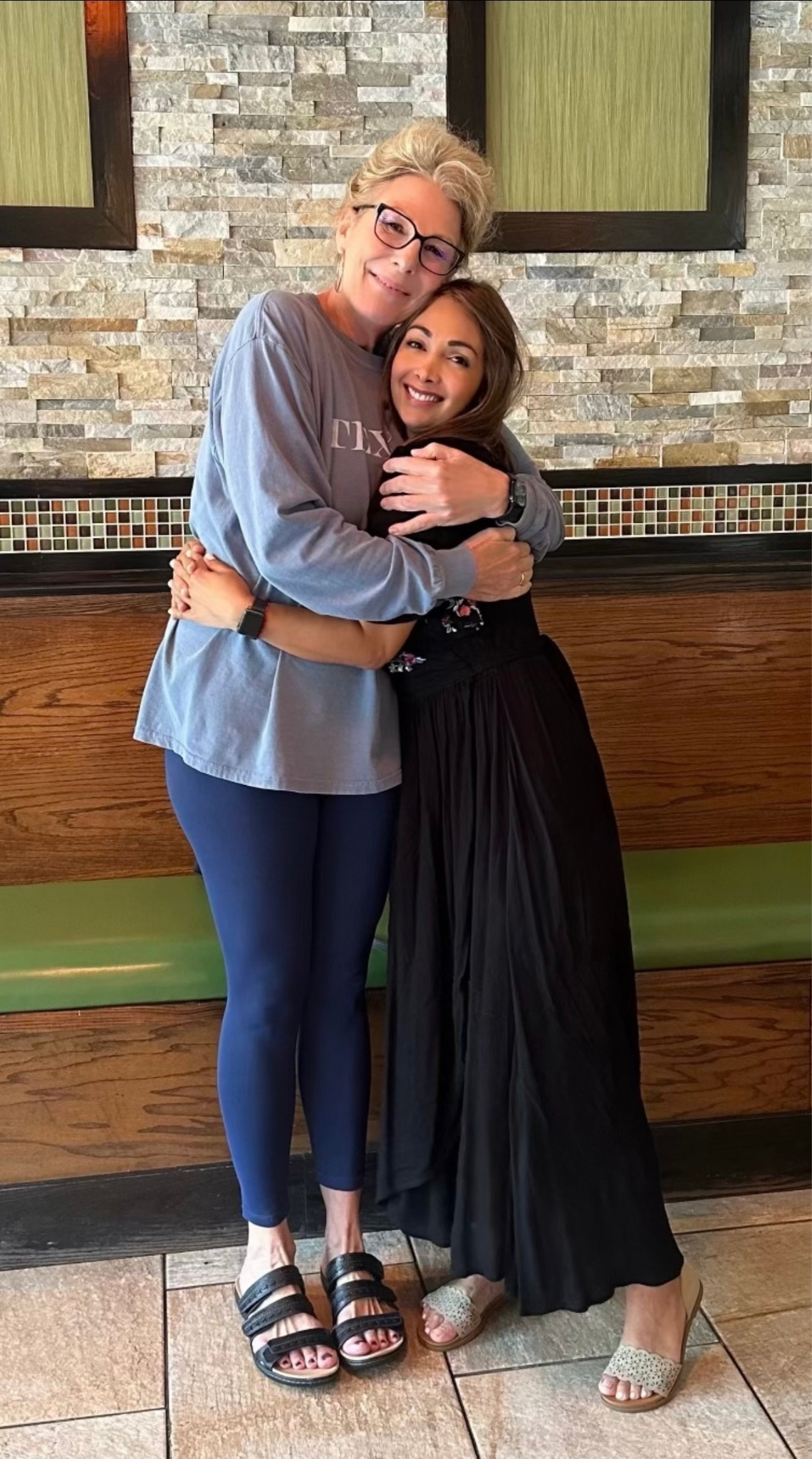
In my special education classroom, I worked alongside an extraordinary paraprofessional named Gloria.
We had different professional responsibilities. The children knew I was the teacher.
But whether a child worked with Gloria or with me, I observed something remarkable: the child could move between us without an obvious loss of openness or engagement.
We shared expectations, predictable routines, consistent approaches, and a deep respect for the children in our care.
The adult changed. The conditions supporting learning remained.
That experience helped me recognize something important about classroom partnerships.
The Teacher Has a Body Learner, Too.
This may be the most overlooked dimension of a paraprofessional's influence.
Your interactions do not affect only the children you support. They also contribute to the experiences of the teacher working beside you.
When two adults understand one another's expectations, communicate respectfully, and maintain reliable classroom systems, they may free more of each other's attention for instruction and student support.
When the relationship becomes strained, unpredictable, or marked by unresolved conflict, both adults may find themselves devoting energy to navigating that relationship.
And children may experience the changes in tone, pacing, consistency, and emotional atmosphere.
The relationship between the adults is part of the learning environment.
This influence works in both directions. Teachers also affect paraprofessionals' experiences of safety, belonging, and predictability. Neither adult is solely responsible for the other's emotional state.
But both have an opportunity to understand how their interactions shape the conditions for learning.
What You'll Discover
State Literacy for Paraprofessionals explores:
How the Body Learner responds to tone, proximity, pace, rhythm, and predictability.
Why a child's physiological state can influence access to learning.
How the Three Questions help us interpret experiences beneath observable behavior.
How everyday routines can support orientation, participation, and trust.
Why the teacher's Body Learner matters, too.
How relationships between adults influence the classroom environment.
How to navigate differences, communicate observations, and repair relational ruptures.
How your existing knowledge and professional experience can deepen your application of State Literacy.
More Than Supporting a Lesson
You may be working directly with one child, but your influence can extend throughout the classroom.
It reaches the children who observe your interactions.
It reaches the teacher whose instructional attention is affected by the reliability of the classroom partnership.
And it reaches your own experience as an educator.
State Literacy invites you to recognize those connections and understand the biological and relational processes beneath them.
Because every adult in the room has a Body Learner. And every interaction contributes to what becomes possible next.
Bring State Literacy to Your Paraprofessional Team
This professional learning experience combines accessible science, authentic classroom scenarios, reflection, and practical strategies.
Designed for paraprofessionals and instructional support teams working across special education and inclusive learning environments.
Explore training for your school, campus, or district.