A lifetime of learning, listening, and building practical ways to help humans make sense of the body.
Two Learners. Three Questions. Four States.
I’ve spent more than forty years watching people learn.
Across athletics, classrooms, special education, coaching, entrepreneurship, and invention, I kept noticing the same thing:
The body was often responding before cognition had an explanation.
A child who appeared oppositional might be overwhelmed.
An athlete who “knew better” could lose access under pressure.
A learner who could perform one moment might be unable to access the same skill the next.
The behavior changed because access changed first.
That question — what is the body doing before cognition has an explanation? — became the thread running through my life’s work.
Where the Work Began
Long before I had language for State Literacy, I was studying human performance through movement.
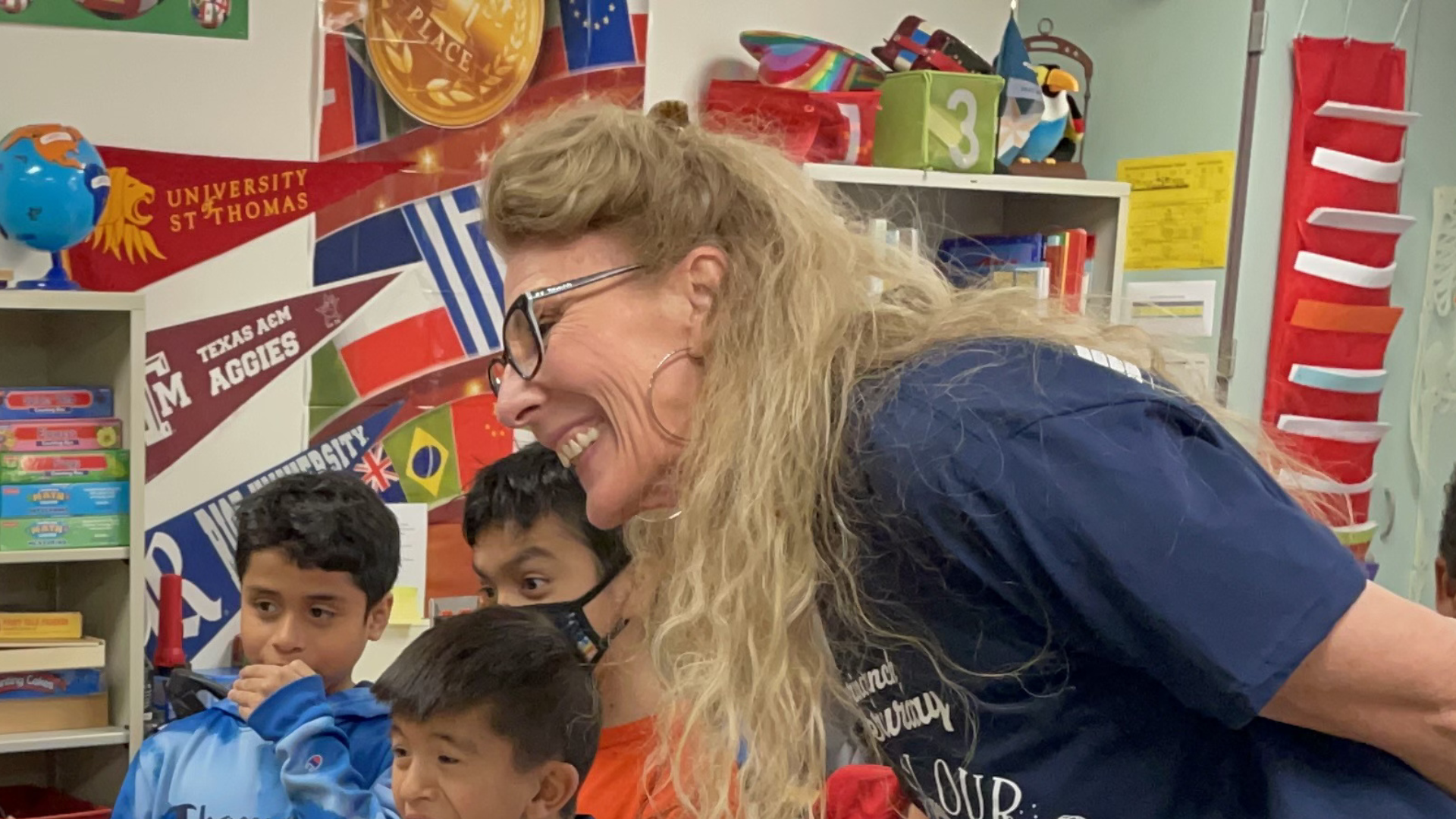
I was an athlete, a coach, an educator, and later a special education teacher working closely with children whose bodies often communicated what words could not.
Over the years, those experiences began to converge.
Movement taught me that the body learns through experience.
Special education taught me that behavior carries information.
Teaching taught me that access is never fixed.
And decades of watching people perform under pressure taught me that cognition is only part of the story.
Eventually, a pattern became impossible to ignore:
Behavior was not the beginning of the story.
The body was already perceiving, predicting, orienting, and organizing before conscious thought caught up.
That realization became the foundation of Bodies Make Sense, the architecture of State Literacy, and the thinking behind Elevate Play Innovations.
What I Know Now
Bodies make sense.
Behavior makes sense.
Access changes before behavior changes.
When we understand what the body is responding to, we can stop treating behavior as an isolated problem and begin understanding the system producing it.
That shift changes how we teach, coach, lead, parent, question, design environments, and respond to one another.
State Literacy grew from one simple conviction:
If we can learn to read state, we can design for access.
A Career Across Learning, Movement & Human Development
Katie Wiseman is an educator, movement specialist, entrepreneur, speaker, and creator of the State Literacy framework. Her career has crossed special education, athletics, coaching, curriculum development, nonprofit leadership, movement programming, and product invention. She holds graduate degrees in teaching and educational psychology and has spent decades developing practical ways to help children and adults learn, move, perform, and participate with greater access.
Her work has always lived at the intersection of one question: What becomes possible when we understand the body before we judge the behavior?
The Work Continues
Today, I’m translating this architecture into practical systems for education, families, athletics, leadership, healthcare, public safety, and human performance.
Bodies Make Sense provides the framework.
State Literacy gives us the language.
Elevate Play Innovations brings the architecture into movement.